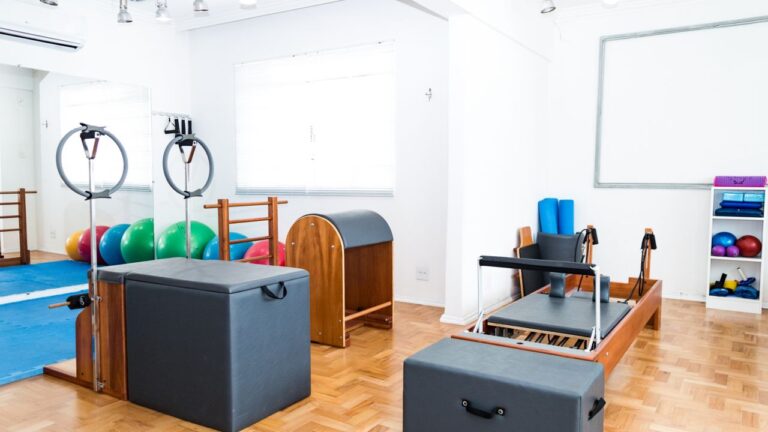
Fitness trends come and go, but some forms of exercise continue to grow because they offer benefits that extend beyond short-term results. Pilates is one of those approaches. Rather than focusing exclusively on intensity or rapid changes, Pilates emphasizes controlled movement, strength, balance, flexibility, and body awareness. For people looking for a sustainable way to stay active, Mind and Motion Pilates offers an approach centered around purposeful movement and long-term physical wellness.
Pilates Is Designed for Sustainable Movement
One reason Pilates has become increasingly popular is its emphasis on controlled, intentional movement. Many traditional workouts focus heavily on repetition, speed, or lifting progressively heavier weights. While those approaches can be valuable, they are not necessarily the right fit for everyone over the long term.
Pilates encourages participants to pay attention to alignment, breathing, stability, and technique. This makes each movement more deliberate and helps develop a stronger connection between the mind and body.
Because exercises can be modified according to a person’s experience and physical abilities, Pilates can also become a flexible part of a long-term fitness routine.
Strength Without Relying Entirely on Heavy Weights
Strength training is an important component of overall fitness, but building strength does not always require traditional weightlifting.
Pilates uses resistance, body weight, springs, and controlled movements to challenge muscles. Exercises often require the body to stabilize itself while performing precise movements, creating a workout that can engage muscles throughout the body.
The focus on the core is particularly valuable. A strong core provides stability for many everyday activities, from sitting at a desk to lifting groceries or participating in recreational sports.
Over time, developing this type of functional strength can make everyday movement feel more comfortable and controlled.
Better Awareness of Posture and Alignment
Modern lifestyles can make good posture difficult. Many people spend hours sitting at computers, looking at phones, driving, or working in positions that place repetitive demands on the body.
Pilates places considerable emphasis on alignment and awareness. Participants learn to recognize how their bodies are positioned and how different muscles work together during movement.
This awareness can extend beyond the workout itself. Someone who becomes more conscious of their posture during Pilates may begin noticing how they sit, stand, walk, and move throughout the day.
The goal is not simply to complete a series of exercises. It is to develop better movement habits.
Flexibility and Mobility Matter as We Age
Maintaining strength is important throughout life, but mobility and flexibility also play a major role in staying active.
Pilates incorporates movements that challenge the body through different ranges of motion. When combined with controlled breathing and proper technique, these exercises can help people develop greater awareness of how their bodies move.
This is especially relevant for people who want to remain physically active as they get older. A sustainable fitness routine should not only make someone stronger. It should also support their ability to move comfortably and confidently.
Pilates can be adapted over time as an individual’s goals, experience, and physical needs change.
Pilates Can Fit Different Lifestyles
Another reason Pilates has attracted such a broad audience is its versatility.
A busy professional may appreciate a structured workout that can be incorporated into a weekly schedule. An active adult may use Pilates to complement other forms of exercise. Someone returning to fitness after spending years away may appreciate the emphasis on controlled technique rather than immediately jumping into high-intensity workouts.
The ability to tailor exercises and instruction makes Pilates appealing to people at different stages of their fitness journey.
Consistency is often more important than choosing the most intense workout available. A form of exercise that someone enjoys and can maintain is much more likely to become a lasting habit.
The Importance of Quality Instruction
Like any form of exercise, Pilates is most effective when movements are performed with appropriate technique.
Quality instruction can help participants understand proper alignment, breathing, positioning, and movement patterns. It can also make it easier to modify exercises when necessary.
Working with knowledgeable instructors can therefore make the experience more approachable for beginners while continuing to challenge people with more experience.
This individualized attention is one of the reasons many people choose dedicated Pilates studios rather than relying exclusively on general fitness classes.
Making Pilates Part of a Long-Term Fitness Plan
Long-term fitness is ultimately about creating habits that can be maintained for years rather than weeks.
Pilates provides a combination of strength, mobility, balance, coordination, and body awareness that can complement many other forms of exercise. It can stand on its own as a regular fitness practice or work alongside activities such as walking, running, cycling, strength training, or recreational sports.
For people searching for a sustainable approach to movement, Pilates offers something different from the typical “work harder” philosophy. It encourages people to move with greater intention and develop a better understanding of their bodies.
That combination of physical challenge and mindful movement may be exactly what makes Pilates more than another fitness trend. For many people, it can become a long-term practice that supports an active and balanced lifestyle.