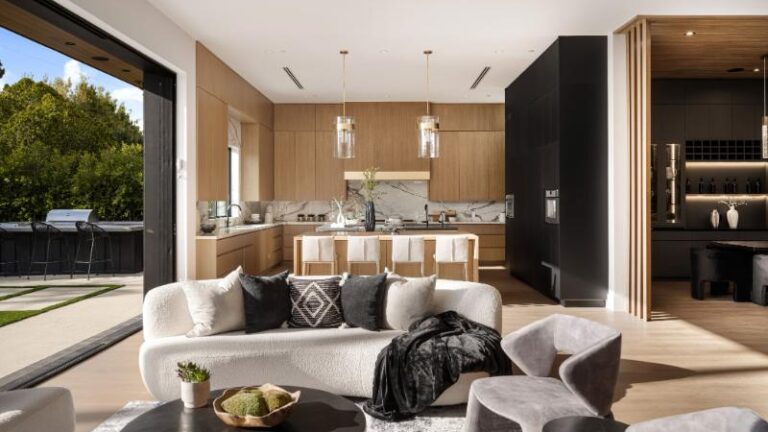
A beautiful home is about more than choosing attractive furniture and matching colors. The best interiors are designed around the people who live in them. When a space is thoughtfully planned, it can feel easier to move through, more relaxing at the end of the day, and better suited to everyday life.
Interior design can have a significant impact on how comfortable a home feels. From the layout of a room to its lighting, materials, and organization, small decisions can completely change the experience of a space. Here are several ways thoughtful interior design can make a home more comfortable.
Start With How You Actually Use the Space
One of the most important parts of creating a comfortable home is understanding how each room will actually be used. A living room for a family that spends evenings watching movies will have different needs than a formal sitting room that is primarily used when guests visit.
This is one area where working with experienced interior designers can be especially helpful. A professional can look at the entire space and determine how different design elements can work together rather than treating each item as an isolated decision.
Before choosing furniture or decorative elements, think about how people move through the room and what activities happen there. Consider where people naturally sit, where they place their belongings, and whether there is enough space to move around comfortably.
A well-designed room should support everyday habits rather than force people to work around an impractical layout.
Choose Furniture for Comfort and Function
Furniture has a major influence on how a room feels. A sofa might look perfect in a showroom, but that doesn’t necessarily mean it will work well in your home.
Consider the size of the room, the number of people who will regularly use the furniture, and how much space is needed to walk around it. Sofas, chairs, tables, and beds should feel proportional to the room instead of making the space feel crowded.
It’s also worth thinking about durability, especially in homes with children or pets. Materials that look beautiful but are difficult to maintain may not be the most comfortable choice for everyday living.
Use Lighting to Set the Mood
Lighting is one of the easiest ways to change the atmosphere of a room. A space with only one bright overhead fixture can feel very different from a room that combines multiple sources of light.
Layering different types of lighting can make an interior feel warmer and more inviting. Ambient lighting provides general illumination, while task lighting can be used for activities such as reading or cooking. Accent lighting can highlight artwork, architectural details, or other features.
Whenever possible, take advantage of natural light as well. Window treatments should allow you to control privacy and brightness without unnecessarily blocking sunlight.
Create a Sense of Balance
Comfortable interiors often have a sense of visual balance. This doesn’t mean everything needs to match perfectly. In fact, rooms can feel more interesting when different colors, textures, materials, and shapes are combined thoughtfully.
The goal is to avoid having one part of the room feel overwhelmingly busy while another feels empty. Repeating certain colors or materials throughout the space can help connect different elements and create a more cohesive appearance.
Don’t Underestimate Organization
Clutter can make even a beautifully decorated room feel uncomfortable. When there isn’t a designated place for everyday items, surfaces quickly become crowded and the home can feel chaotic.
Thoughtful design incorporates storage into the overall layout. Built-in cabinets, shelving, storage benches, baskets, and appropriately sized furniture can provide places to put things away without sacrificing style.
The goal isn’t necessarily to hide everything. Instead, good organization makes it easier to keep the things you use regularly accessible while reducing unnecessary visual clutter.
Add Texture and Natural Materials
A room can look good on paper but still feel cold or unfinished. Texture can help make an interior feel more inviting.
Soft rugs, upholstered furniture, curtains, wood, woven materials, and natural stone can introduce visual and physical warmth. Combining different textures also gives a room more depth without requiring excessive decoration.
Natural materials can be particularly effective because they tend to add character and create a connection to the outdoors.
Design for the Long Term
Trends can be fun, but a comfortable home doesn’t need to follow every new design trend. Choosing a foundation that reflects your personal taste can help the space remain appealing for years.
This doesn’t mean avoiding trends completely. Smaller elements such as artwork, pillows, accessories, and decorative pieces can be changed relatively easily when your preferences evolve.
Investing more heavily in timeless furniture, quality materials, and a functional layout can give you a home that continues to work well even as your style changes.
A Comfortable Home Should Feel Like Your Own
Ultimately, thoughtful interior design isn’t about creating a home that looks like a showroom. It’s about creating an environment that fits the people who live there.
The right layout, comfortable furniture, appropriate lighting, organized storage, and carefully selected materials can make everyday life easier and more enjoyable. When these elements are considered together, the result is a home that doesn’t just look beautiful but genuinely feels good to live in.