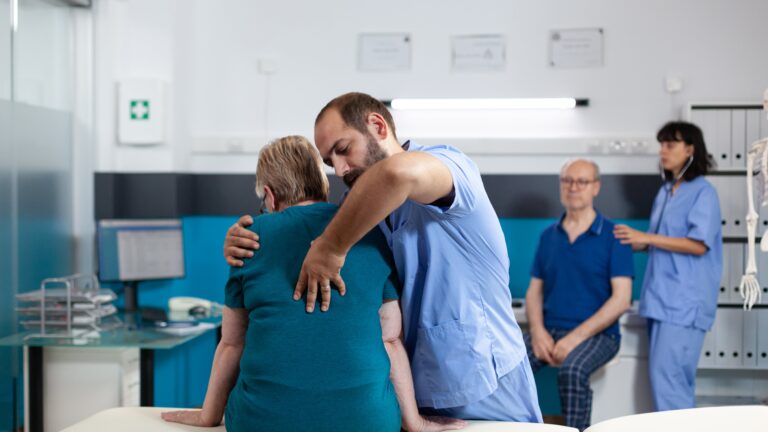
Recovering from spine surgery can be a challenging process, requiring dedicated rehabilitation to regain strength, mobility, and function. Whether you’ve undergone a spinal fusion, discectomy, laminectomy, or other back surgery, following a structured rehab program can help reduce pain, prevent complications, and improve overall quality of life.
Why Is Rehabilitation Important After Spine Surgery?
Spine surgery is often necessary for conditions like herniated discs, spinal stenosis, or degenerative disc disease. However, the surgery itself is only one step in the recovery process. Post-surgical rehab helps patients heal properly and regain function.
An expert from La Clinica SC explains:
“Rehabilitation after spine surgery is critical for regaining strength, flexibility, and balance. Without proper rehab, patients may experience prolonged pain, stiffness, and limited mobility. Physical therapy provides targeted exercises and hands-on techniques to restore function while minimizing the risk of re-injury.”
Stages of Rehab After Spine Surgery
Recovery is a gradual process that occurs in phases. Each stage focuses on different goals, ranging from pain management to regaining full movement.
1. Early Recovery Phase (0-4 Weeks Post-Surgery)
Goal: Pain relief and gentle mobility restoration
During the first few weeks after surgery, your body is healing. You may experience discomfort, swelling, and limited movement. Your healthcare team will likely recommend:
- Walking Short Distances: Promotes circulation and prevents stiffness.
- Pain Management Strategies: Medications, ice therapy, and gentle movement.
- Posture and Body Mechanics Training: Learning how to move safely to avoid strain on the spine.
- Breathing Exercises: Helps reduce stress and improve lung capacity.
What to Avoid:
- Heavy lifting, bending, or twisting the spine.
- Sitting for long periods without movement.
- High-impact activities.
2. Intermediate Recovery Phase (4-12 Weeks Post-Surgery)
Goal: Strengthening and improving flexibility
As healing progresses, your physical therapist will introduce exercises to help restore mobility and strengthen the muscles supporting your spine.
Recommended Exercises:
- Gentle Core Activation: Engaging abdominal muscles to support the spine.
- Pelvic Tilts: Helps restore lower back flexibility.
- Seated Leg Lifts: Strengthens the lower body without putting stress on the spine.
- Aquatic Therapy: Water-based exercises can reduce impact and make movement easier.
Your therapist may also use manual therapy techniques to reduce stiffness and improve circulation.
3. Advanced Recovery Phase (3-6 Months Post-Surgery)
Goal: Regaining full movement, stability, and endurance
At this stage, patients are encouraged to gradually return to normal activities. Strength training and functional exercises become more progressive and challenging.
Key Exercises for This Phase:
- Bridges: Strengthens the lower back and glutes.
- Planks: Builds core stability to support the spine.
- Resistance Band Workouts: Strengthens upper and lower body muscles.
- Balance Exercises: Enhances coordination and prevents falls.
Your therapist may also incorporate ergonomic training, ensuring you maintain proper posture when sitting, standing, and lifting.
4. Long-Term Maintenance (6 Months and Beyond)
Goal: Preventing future injuries and maintaining spinal health
Even after completing a formal rehab program, it’s important to maintain an active lifestyle to prevent further back issues.
Recommended Long-Term Practices:
- Regular Stretching and Strength Training – Keeps muscles flexible and strong.
- Yoga or Pilates – Promotes balance, stability, and mobility.
- Posture Awareness – Avoid slouching and maintain spinal alignment.
- Lifestyle Modifications – Proper workstation setup, supportive footwear, and avoiding prolonged inactivity.
When to See a Physical Therapist
While some discomfort is normal during recovery, certain symptoms may indicate the need for professional intervention. Seek physical therapy if you experience:
- Persistent pain that does not improve with time.
- Weakness, numbness, or tingling in the legs or arms.
- Difficulty walking, standing, or performing daily tasks.
- Increased stiffness or limited range of motion.
Expert Physical Therapy for Spine Surgery Recovery in Chicago
As an expert from La Clinica SC emphasizes:
“Recovering from spine surgery requires patience and the right rehabilitation plan. A professional physical therapist can tailor a program to your specific condition, ensuring a safe and effective recovery. Our goal is to help patients regain independence and improve their quality of life.”
